Ormond Beach Case Study
The Challenge
Most homeowners do not think about their sewer system until something goes wrong. This homeowner took a different approach.
After living through a catastrophic cast iron pipe failure in a previous home, the homeowner knew firsthand the cost, disruption, and stress of an emergency sewer replacement. After purchasing this Ormond Beach home, the homeowner wanted the original cast iron plumbing inspected before it became a problem, not after.
The home was not experiencing active backups. The owner wanted to know the true condition of the aging system and make repairs while everything was still working.
The home presented several unique challenges:
- Septic system located in the front yard
- No rear cleanout access
- Master bathroom addition connected with PVC and routed around the home
- Kitchen equipped with an air admittance valve (Studor vent) instead of a traditional vent stack
- Limited inspection access requiring creative entry points for rehabilitation
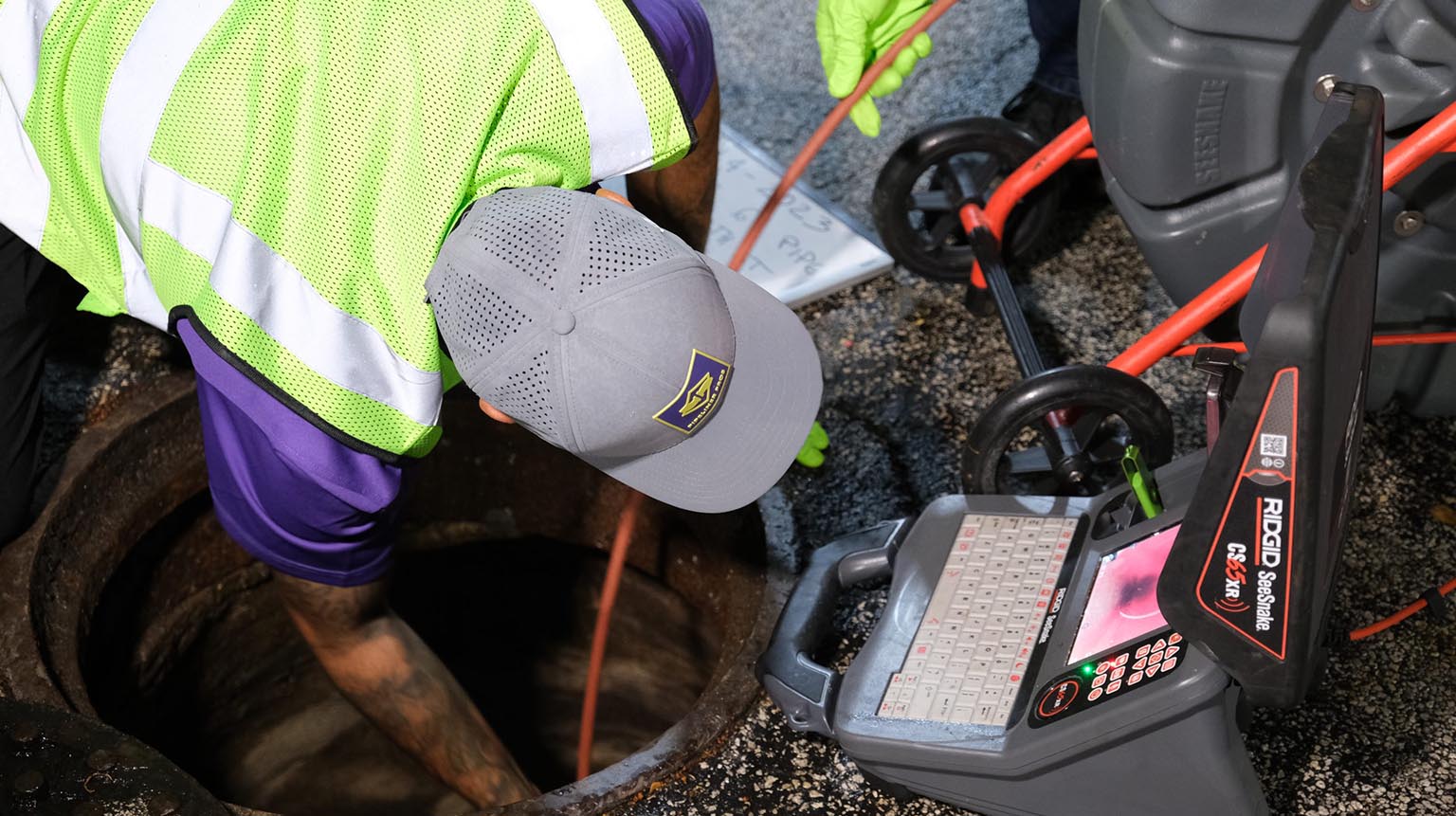
During the inspection, our technician identified an alternate access point beneath the kitchen sink where the plumbing could be temporarily disassembled to reach the existing cast iron system without invasive demolition.
Initial Inspection Findings
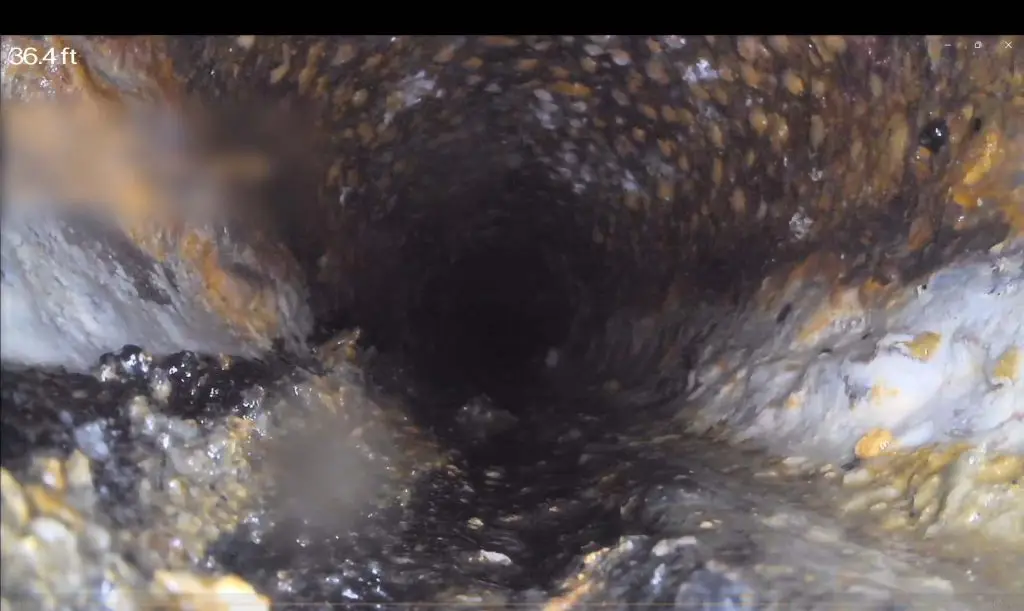
The camera inspection confirmed what many homeowners never see until it is too late: years of gradual deterioration inside the original cast iron piping.
Bathroom Vent Stack (VS1)
- Drainage begins approximately 8.5 feet into the line
- Moderate mineral scale throughout the pipe segment
- Channeling visible along the invert of the pipe
- Grease accumulation adhering to the pipe walls
- Flow restricted to a narrow channel created through years of buildup
Laundry Vent Stack (VS3)
- Heavy mineral scaling
- Significant corrosion deposits
- Limited camera visibility due to buildup
- Portions of the system remained unverified because of heavy scaling
The master bathroom addition consisted entirely of PVC and was excluded from rehabilitation.
Because several pipe sections could not be fully verified during the inspection, we scheduled additional installation time to safely clean and evaluate every section before lining.
Before Rehabilitation
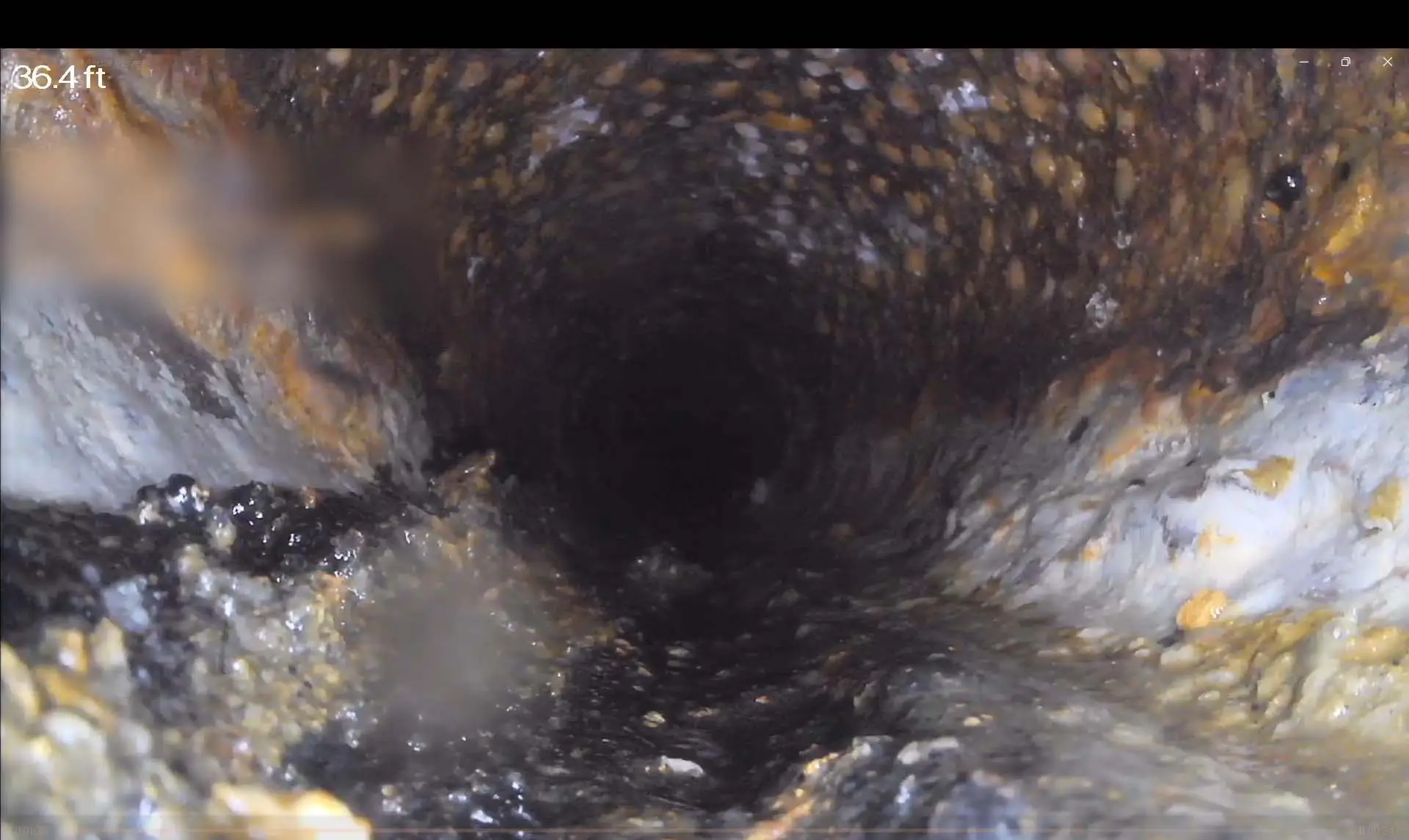
The homeowner was not yet experiencing plumbing problems, but the camera told a different story.
Decades of corrosion had created rough, uneven interior walls covered with mineral deposits and grease buildup. The pipe had developed channeling, where wastewater continually follows the same narrow path while buildup keeps growing around it.
This is often one of the last stages before recurring backups begin.
Step 1: Intensive Cleaning
With heavy mineral deposits restricting visibility, cleaning became one of the most critical phases of the project.
Because portions of the system could not be fully evaluated until the corrosion was removed, we allocated two full days for cleaning and preparation.
Using specialized mechanical cleaning equipment, our technicians removed:
- Heavy mineral scale
- Years of corrosion
- Grease accumulation
- Loose deterioration
- Surface obstructions preventing liner installation
This process restored the pipe diameter while exposing the true condition of the host pipe.
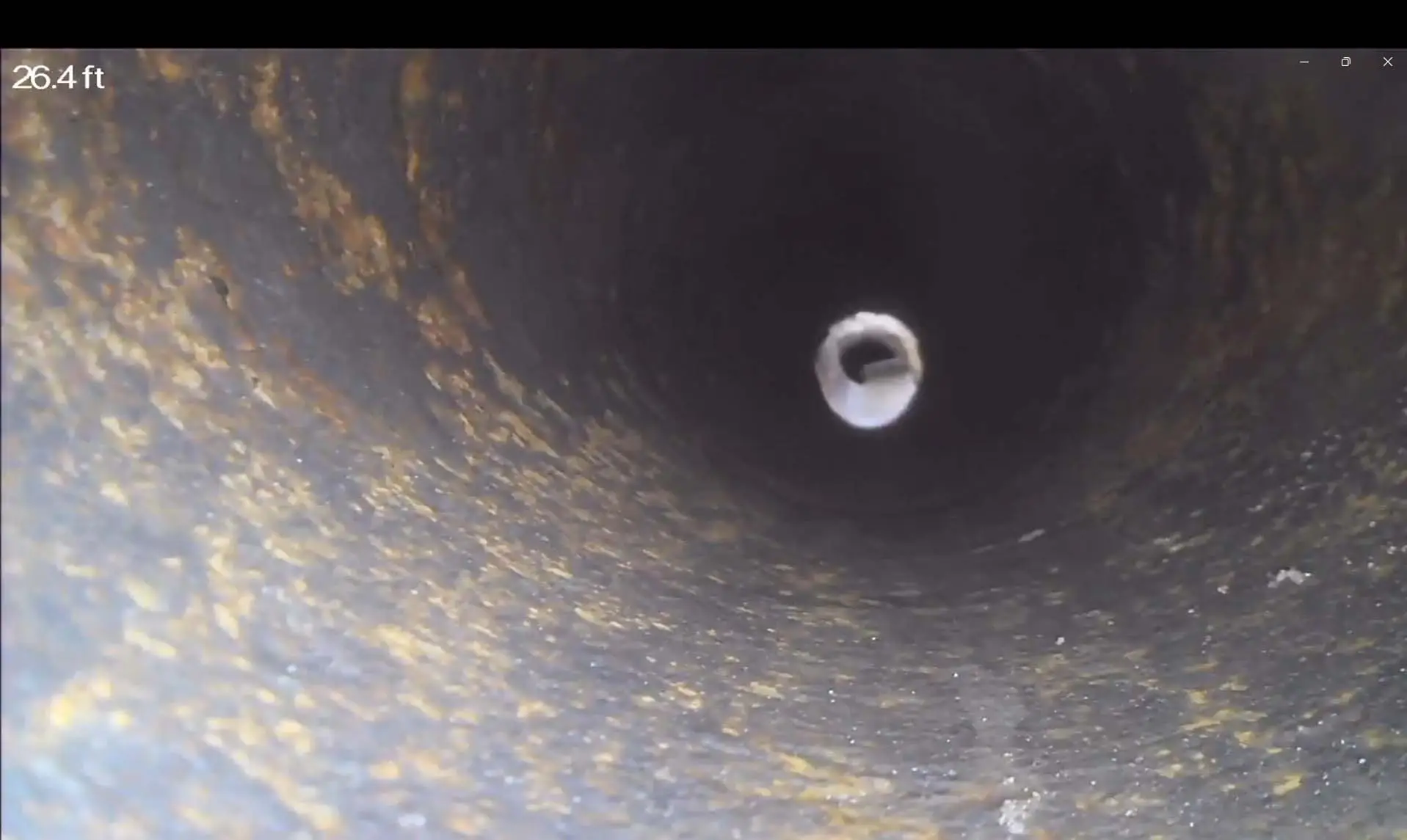
After Cleaning
With the scale and corrosion removed, the host pipe is visible and the diameter is restored for lining.
Step 2: Preparing a Challenging System
Unlike many residential projects, this home required careful planning because of multiple access limitations.
The installation team worked around:
- No traditional rear cleanout
- Kitchen access through existing sink plumbing
- Mixed PVC and cast iron piping
- Several unverified pipe sections
- Septic system configuration
By using existing plumbing access points instead of excavation, the crew completed the rehabilitation while minimizing disruption to the homeowner.
Step 3: Structural CIPP Rehabilitation
Once the cast iron system had been completely cleaned and verified, our certified installers rehabilitated the drainage system using cured-in-place pipe (CIPP) technology.
The project included rehabilitation of:
- Cast iron main line
- Branch lines
- Toilet connections
- Vent piping to the drainage level
- Exterior lateral leading to the septic tank
Existing PVC piping remained untouched.
The finished liner created a seamless, corrosion-resistant structural pipe inside the original cast iron system, restoring long-term reliability without replacing the home’s plumbing.
The Final Result
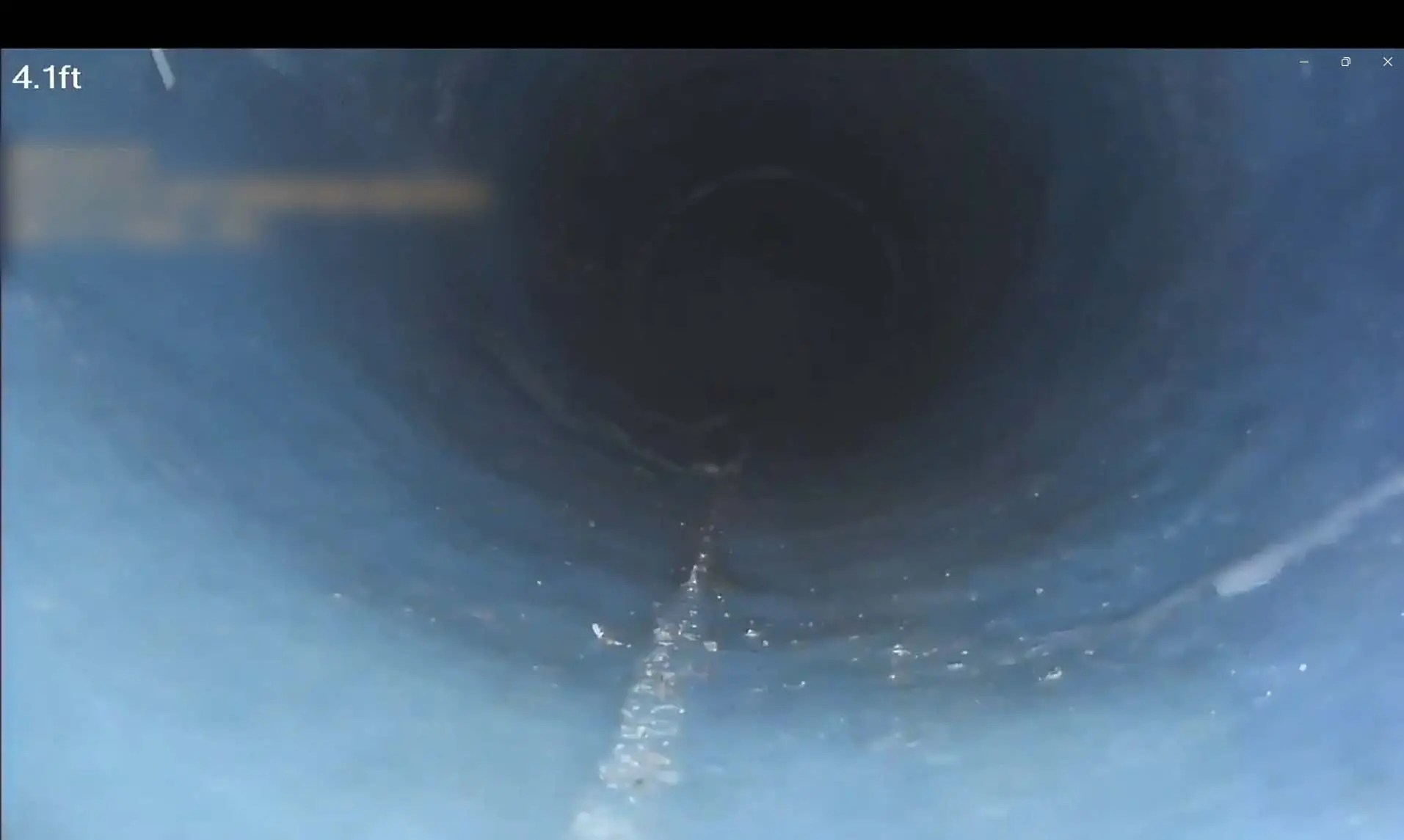
The heavily scaled cast iron system was converted into a smooth, continuous pipeline with restored hydraulic performance and structural integrity.
Instead of rough cast iron walls that trapped grease and debris, the homeowner now has a seamless interior surface engineered to resist corrosion and improve flow for decades to come.
Project Outcome
This project demonstrates one of the smartest decisions a homeowner can make, which is repairing aging infrastructure before it fails.
Rather than waiting for sewage backups, emergency plumbing calls, or costly damage inside the home, the homeowner chose a proactive solution based on the condition of the pipe itself.
The result is a rehabilitated sewer system that provides confidence, reliability, and long-term protection while avoiding the disruption of traditional pipe replacement.
Why This Project Matters
Many homeowners assume that if their drains are working, their sewer pipes are healthy. Cast iron deterioration often happens silently over decades before the first major backup.
This homeowner had already lived through one cast iron failure in a previous home. Instead of taking that risk again, the homeowner invested in understanding the condition of the plumbing and addressed the problem before it became an emergency.
We believe preventative rehabilitation is one of the best investments a homeowner with an aging cast iron system can make. Through detailed camera inspections, expert planning, and trenchless technology, we restore deteriorating pipelines without excavation and help homeowners avoid the expense and stress of an unexpected sewer failure.
Sometimes the best repair is the one you make before you ever have a plumbing emergency.
Aging cast iron does not have to end in an emergency. If you own an older home in Ormond Beach or anywhere across Volusia County, a camera inspection shows you the real condition of your line while you still have options.
Want to know the real condition of your cast iron?
Get a free video camera inspection and a clear, honest assessment of your line, with no digging and no guesswork.